digital parking system · mobile payments · parking operations

Insights

What a digital parking system includes for Utah properties

Learn what a digital parking system can include for Utah properties, including mobile payments, permits, enforcement workflows, and practical reporting.

By ·

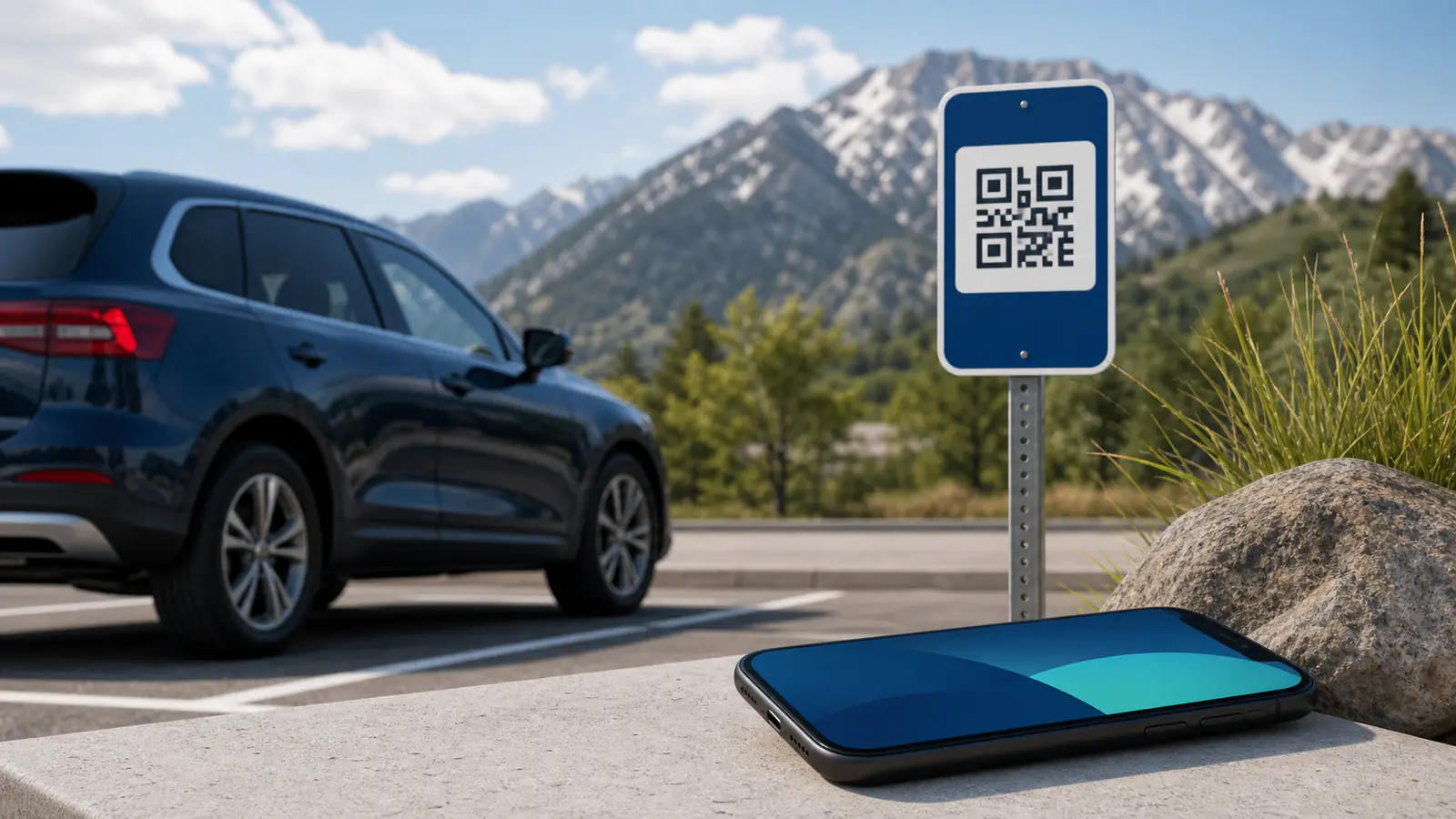
A mobile parking payment phone, printed QR sign, and supporting materials at a Wasatch Back property.

A digital parking system is not one device or one app. It is the connected process a property uses to communicate parking rules, identify who may park, collect payment when needed, verify activity, handle exceptions, and review what happened.

The right system can be simple. A smaller property may need clear QR signs and browser-based payments. A residential community may begin with digital permits. A mixed-use site may connect permits, paid visitor parking, time limits, and enforcement.

For the payment portion, review our mobile parking payment service.

Start with the property, not the technology

Before selecting tools, define the parking outcome.

Common goals include:

  • Protecting resident, tenant, or customer access
  • Giving visitors a simple way to pay
  • Improving turnover in short-stay spaces
  • Reducing manual permit administration
  • Creating clearer records for property teams
  • Supporting event arrivals and temporary parking rules

Once the goal is clear, each part of the digital parking system can be evaluated against it. Technology that does not help the operating goal may not belong in the program.

Driver instructions and QR signage

For a mobile payment program, the digital experience begins with a physical sign.

The sign should help a driver confirm:

  • That payment is required
  • Which parking area or zone applies
  • How to open the correct payment page
  • What information is needed
  • How to confirm the parking session
  • Where to get help

QR signs should appear where drivers naturally enter, park, and walk toward their destination. The wording, placement, and online flow should be tested together.

Mobile-browser payments

A browser-based payment page lets a driver scan and pay without downloading a dedicated app.

Depending on the selected tools and operating plan, the flow may include:

  • Location or zone selection
  • Vehicle and plate information
  • Parking duration and price
  • Secure checkout
  • Session confirmation
  • A way to review or extend an eligible session

The driver experience should use plain language and make the final confirmation easy to recognize. The property team also needs a documented process for payment questions and exceptions.

Digital or physical permits

Permits identify vehicles or people with recurring parking access. Digital permits commonly use a registered license plate, while physical permits may use a hangtag, decal, placard, or printed credential.

Some properties benefit from a blended system. Residents might use plate-based permits while vendors or temporary users receive a physical credential.

Before launch, define access groups, guest rules, renewals, replacements, plate changes, and temporary exceptions. Our Utah parking permit checklist walks through those decisions.

Time limits and turnover rules

A digital parking system can support spaces where the main goal is turnover rather than payment.

The operating plan should define:

  • The allowed parking duration
  • Grace periods
  • Permit-holder or delivery exceptions
  • Whether a paid extension is available
  • How drivers are informed
  • How compliance is verified

Clear rules matter more than complexity. A simple, understandable time limit can be more effective than a system with too many conditions.

Enforcement and verification

When enforcement is part of the program, staff need a reliable way to compare a vehicle with the rules that apply to that space.

That may include checking:

  • An active mobile payment session
  • A digital plate permit
  • A visible physical permit
  • An approved guest or vendor exception
  • A time-limit record
  • Posted restrictions for the location

Field documentation and customer communication should follow the same approved policy. Learn more about connecting those pieces on our parking enforcement page.

Reporting and practical analytics

Available reporting varies by the tools selected. Before launch, ask which information will be available and who will review it.

Depending on the program, useful information may include payment sessions, permit activity, repeated exceptions, violation patterns, parking duration, or event activity.

The purpose is not to collect every possible data point. It is to answer operating questions such as:

  • Are drivers finding the correct payment path?
  • Are permit rules creating repeated support requests?
  • Are spaces turning over as intended?
  • Does one area need clearer signs or instructions?
  • Are the selected rules addressing the original parking problem?

Support and program ownership

Every digital system needs a human operating plan.

Document who handles driver questions, property changes, pricing or rule updates, permit exceptions, enforcement coordination, and regular program reviews. A clear owner keeps the system useful after the initial setup.

A digital parking system planning checklist

Before selecting a setup, confirm:

  1. The parking problem and desired outcome
  2. The driver groups and access rules
  3. Payment, permit, or time-limit requirements
  4. Signage and online instructions
  5. Exceptions and customer support
  6. Enforcement verification
  7. Available reporting and review schedule
  8. The owner for ongoing changes

Wasatch Parking helps Utah properties combine only the pieces they need. If you are comparing digital parking options, contact our local team and tell us how the property works today.

Keep Reading

Related parking articles

Next step

Need help with a parking program?

If this article raised questions about your property, talk with our team about permits, payments, enforcement, or event support.

← Back to all posts